Our Research Platforms.
Rhysil organizes its research into six distinct disciplines, linking fundamental chemical dynamics with industrial application methods to build stable, lower-carbon inputs.
Carbon-Storing Composites
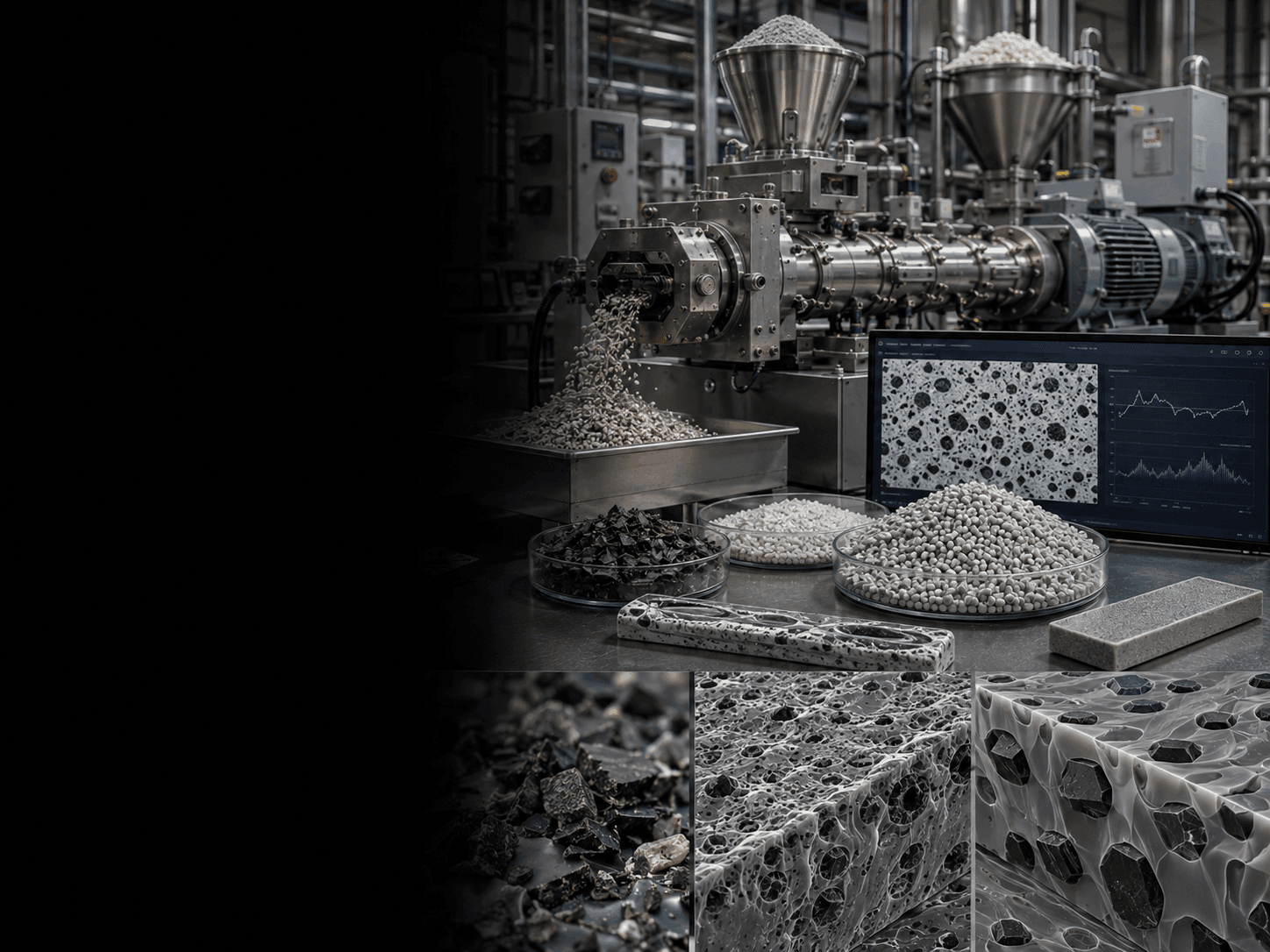
Carbon locking via polymer embeddingRHA–PP Matrix IntegrationOur primary carbon-sinks pathway is incorporating carbonized agricultural residues directly into hydrophobic thermoplastic polymers. By encapsulation, we shield the biological carbon from atmospheric oxidation, ensuring permanent sequestration for the product lifecycle.
Core Research Investigations
Dispersion stability of carbonized rice husk ash (RHA) in polypropylene (PP) matrices.
Engineered Bio-Silica
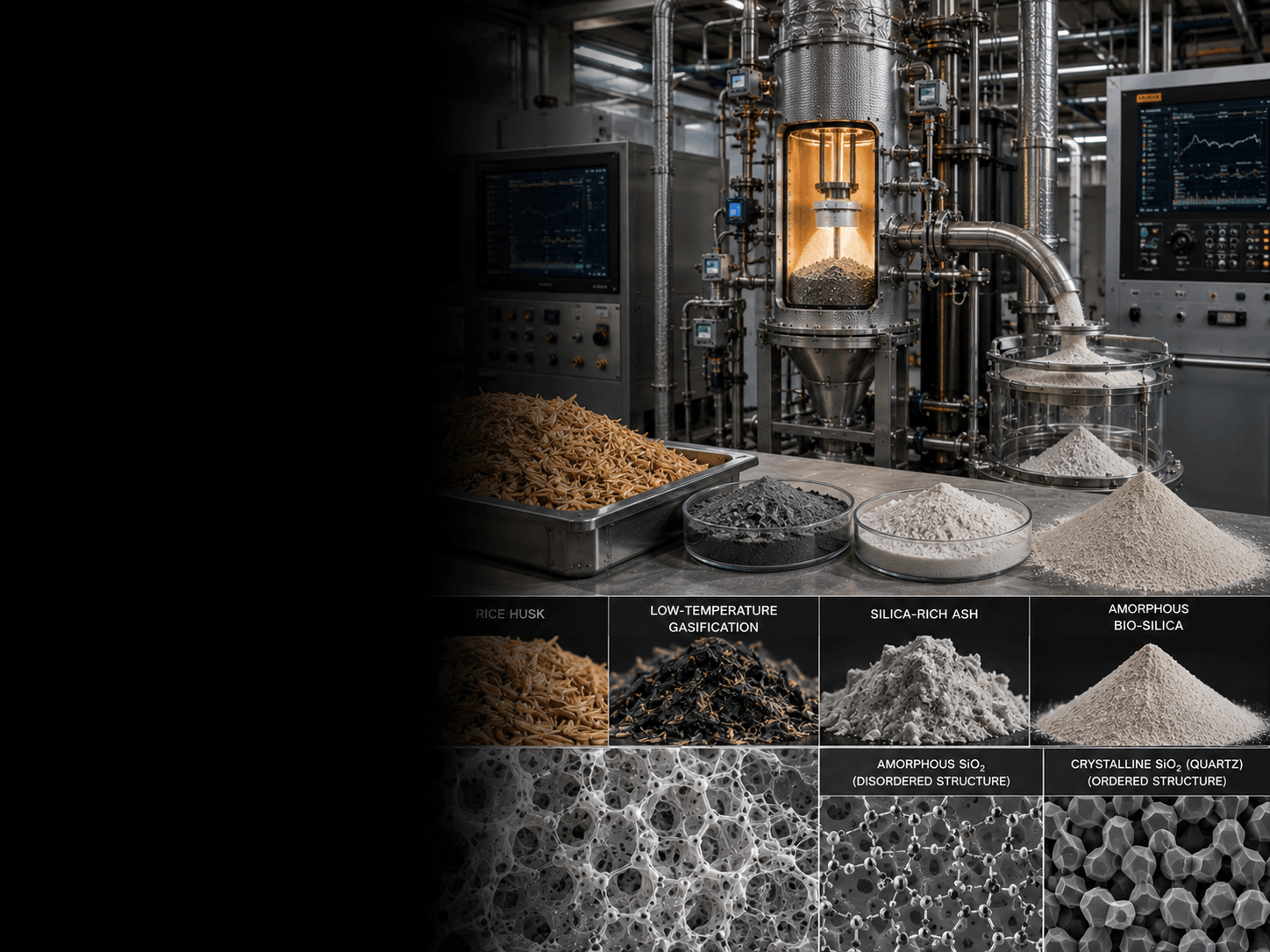
Amorphous silica extraction & purificationSiO2 Valorization PathwaysRice husks naturally concentrate amorphous silica (SiO2). We research chemical and thermal pathways to extract, purify, and functionalize this bio-silica, preparing it to serve as a low-carbon replacement for energy-intensive industrial quartz.
Core Research Investigations
Low-temperature gasification pathways keeping the silica in a non-crystalline amorphous state.
Low-Carbon Construction Materials
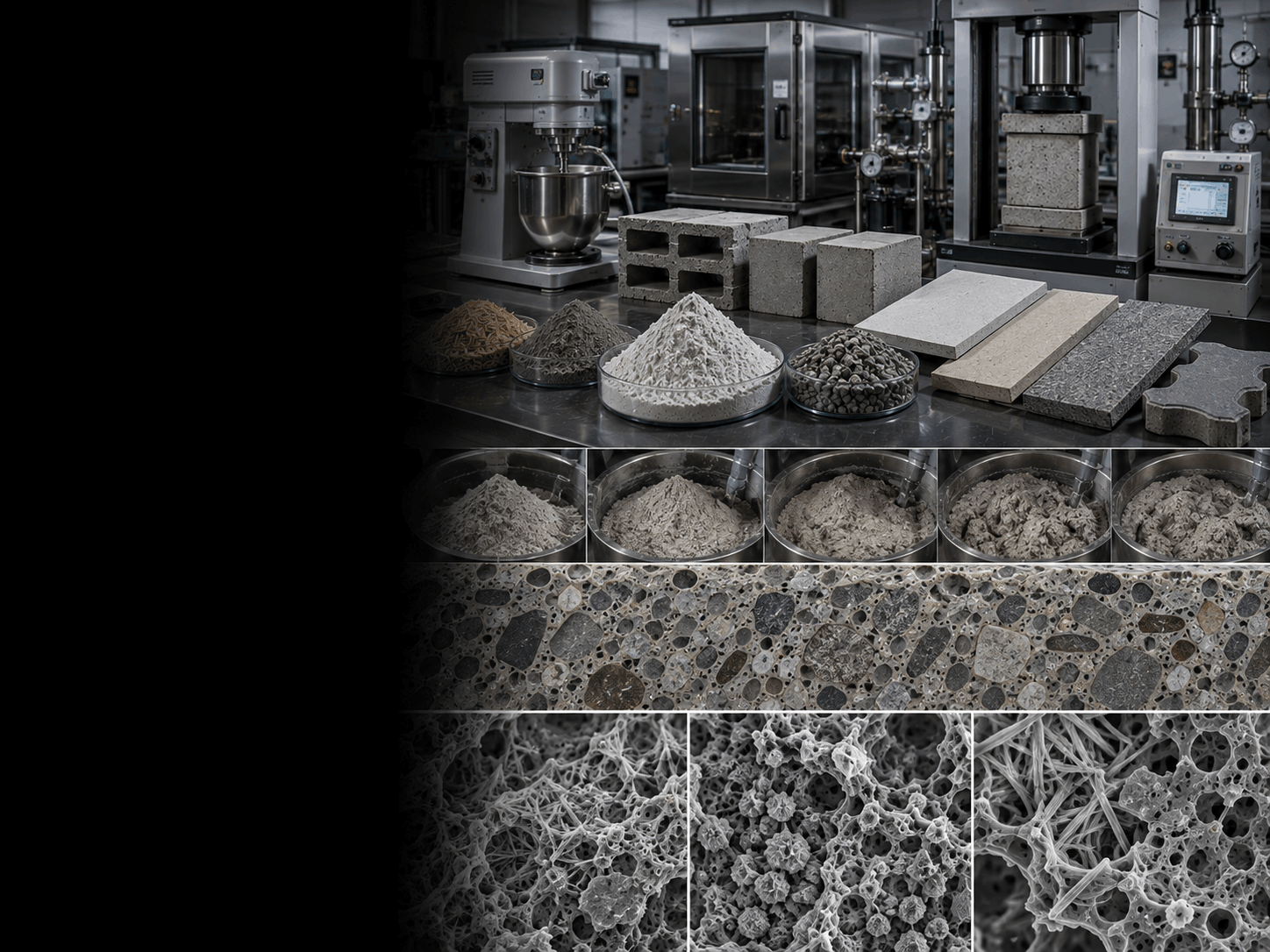
Alternative mineral cementitious productsSupplementary Cementitious Materials (SCM)Concrete production contributes roughly 8% of global CO2. Platform 03 develops supplementary cementitious binders (SCM) and hybrid bio-composites to substitute standard Portland cement in sheets, boards, concrete blocks, and pavers.
Core Research Investigations
Pozzolanic reactivity index optimization of RHA to speed up calcium hydroxide reactions.
Advanced Polymer Materials
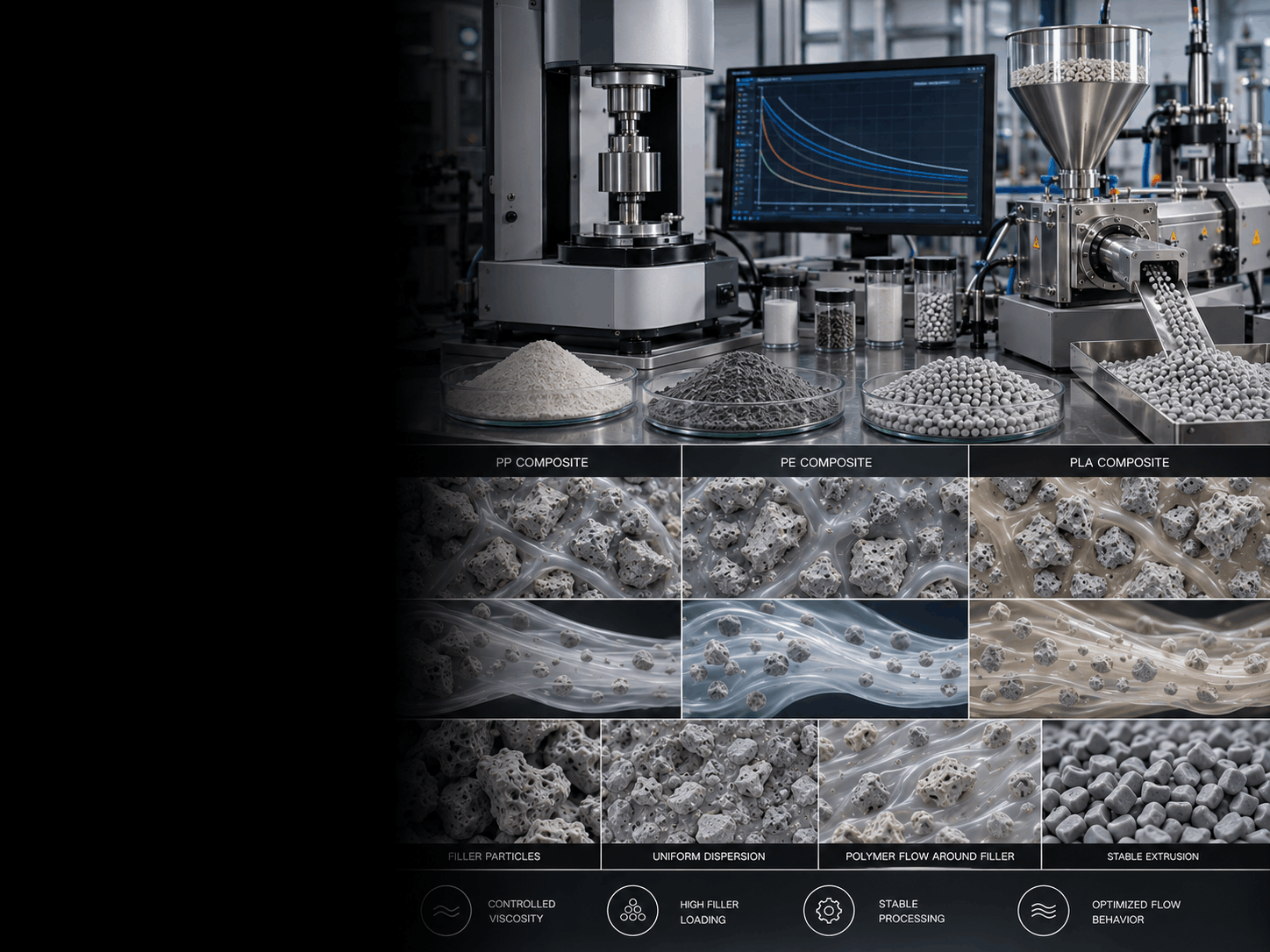
High-loading compounding & rheologyBio-Polymer MasterbatchingInvestigating high-loading polymer composite compounding. We focus on masterbatches containing up to 50% waste-derived mineral fillers, ensuring standard processing fluidity during commercial profile extrusion and injection molding.
Core Research Investigations
Viscosity and shear-rate modeling of filled polypropylene, polyethylene, and PLA.
Particle Engineering
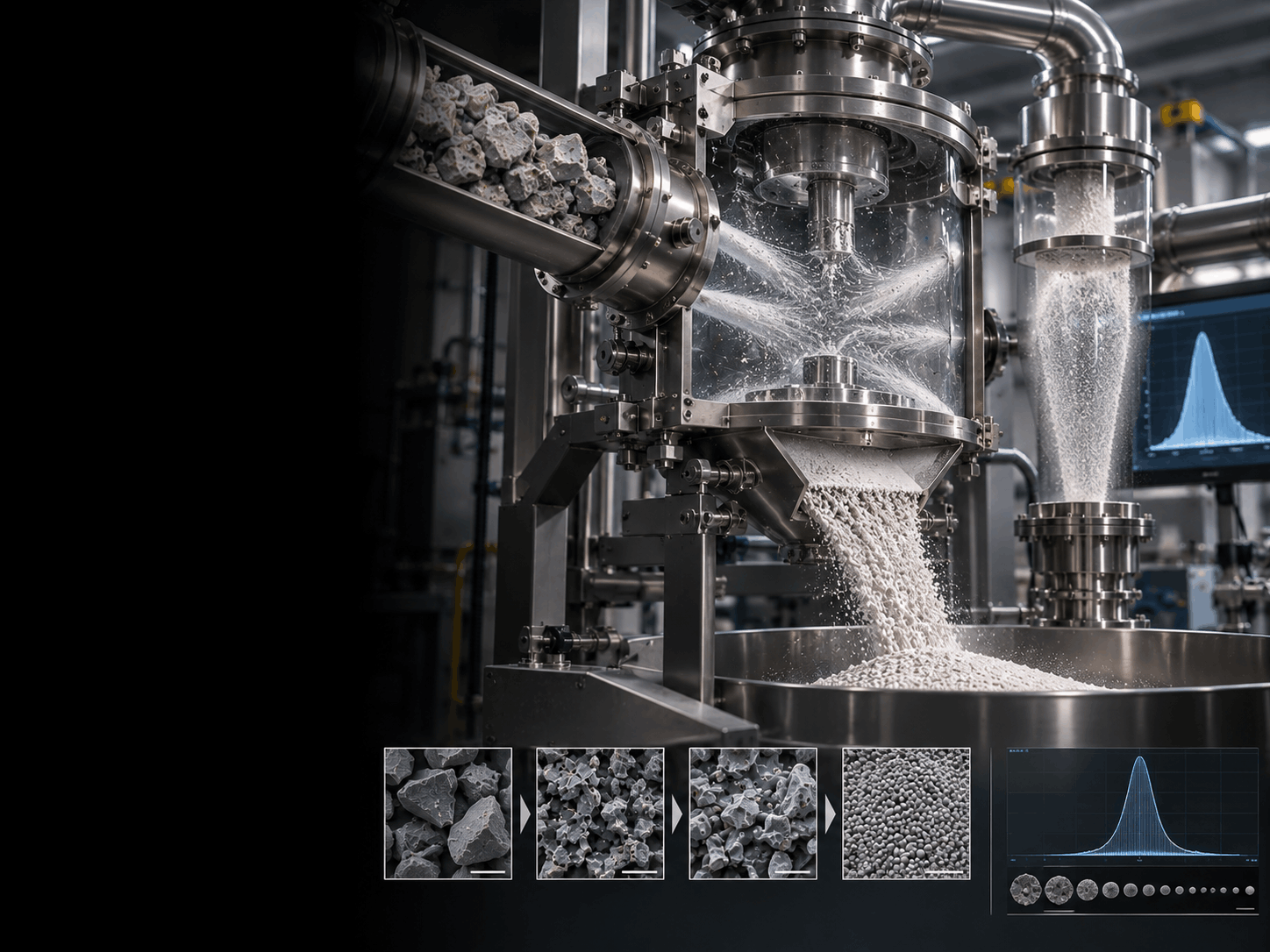
Morphology, size distribution & dispersionPSD and Surface PhysicsUnlock new performance envelopes by controlling particle geometries. We manipulate physical characteristics, surface area, and interfacial energy to enhance filler bonding and structural density.
Core Research Investigations
Jet milling optimization to achieve narrow D50 particle size distributions.
Carbon Permanence & MRV
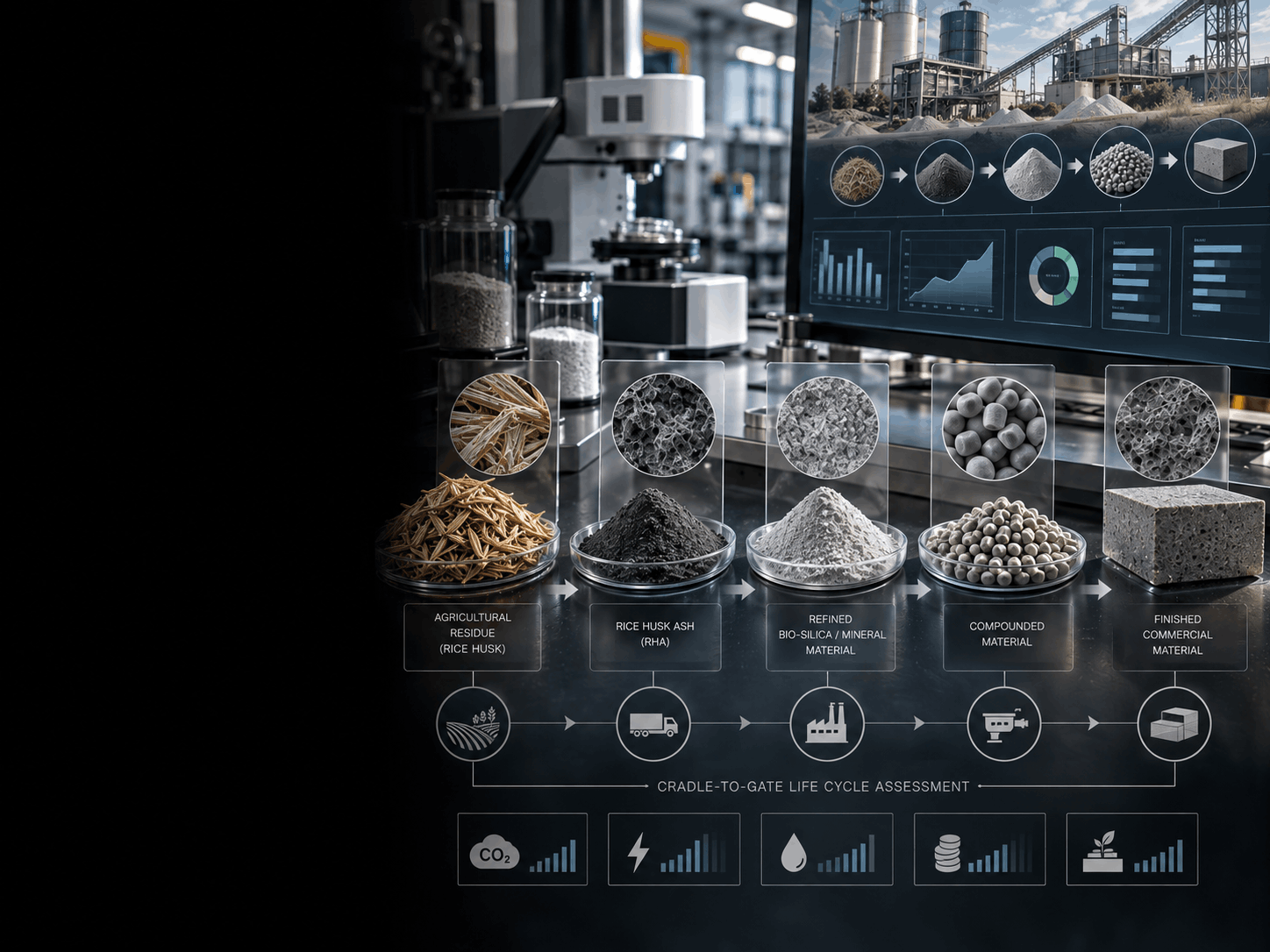
Monitoring, reporting & validation metricsLCA & Sequestration TraceabilityBuilding a scientific ledger of climate performance. We develop tools to track carbon from agricultural source points to finished products, calculating net carbon avoidance through audited Life Cycle Assessments (LCA).
Core Research Investigations
Standardizing cradle-to-gate lifecycle models for waste valorization.